

On the night of 5 August and the dawn of 6 August 2014, we spent the entire night awake, standing
on the roof of the seminary, listening to threats and warnings that our region would soon be
invaded and occupied by members of the Islamic State in Iraq and al-Sham (ISIS). Gunfire and
mortar shells echoed around us, some exploding nearby, others farther away. Some struck the
walls of the seminary building, while others landed in the sports field.
Shortly before 6:00 a.m., we went downstairs and prayed the Safro (Morning Prayer) in the
Seminary Church of St. Ephrem. Together we chanted the words of Psalm 120, praying with the
Psalmist: “I am for peace, but when I speak, they are for war.”
After celebrating the, we left the church, but we could not even sit down for breakfast because
we heard a mortar shell explode near the seminary. We rushed to the site, only to find body parts
scattered across the street while people were crying, wailing, and screaming. We then went to
the hospital and returned to the same place where two children in the prime of life—David and
Milad—and their young neighbour In'am had been killed. The neighbourhood was overwhelmed
with tension, fear, and anxiety. Soon afterwards, the people of the town began to leave, while on
one hand we continued hearing reassurances, and on the other hand we kept hearing threats that
ISIS would enter and occupy the town. We did not know what to do or how to respond.
At 5:00 p.m., we celebrated the funeral service for the three martyrs in the Great Al-Tahira Church.
I then returned to the seminary and celebrated the evening Mass at 6:00 p.m. During the homily,
I told those present:
"If we are ever forced to choose between publicly embracing Islam or becoming martyrs, then let
us all choose martyrdom. Let us never deny our faith in Christ or fear them. It would be an honour
for us to bear witness with our blood and to die as Christians, just as we were born Christians."
When we came out of the church, one of the men(who now lives in Canada)said, “Come, let us
take a picture together.” It turned out to be our last photograph at the entrance of St. Ephrem
Church.
I remained at the seminary while the few people still left in the town kept coming and going,
seeking the latest information from Bishop Petros Mouche, who was constantly communicating
with military and security officials to find out what those remaining should do: Should we stay or
should we leave? He never wanted to leave.
Many people tried to persuade him, while those of us
who were with him agreed that we would not leave unless he himself left first. After some time,
he was finally convinced to depart, and only then did we leave after him. I did not take anything
from my two rooms in the seminary except my personal liturgical vestments from the church.
One of the young men accompanied me. We first went to my family home and brought my father,
who had remained there alone after the rest of my family had left because he had refused to leave
with them. Then I went to another priest's house and brought him and his father out as well.
As I passed by the priests' House, I saw many people standing there with no one to transport them
to Erbil. I opened the back gate of the priests' House and brought my father and the others who
were with me inside. Afterwards, together with several others, we went looking for anyone who
knew how to drive the church buses so they could go to where the buses were parked near the
seminary, try to start them, and bring them back to evacuate the remaining people to Erbil.
There were also minibuses parked in the square opposite the priests' residence and behind what
is now the sports field of Mar Paulis House, I believe they belonged to the political party, but our
people were unable to use them to evacuate those still waiting.
Before dawn, someone asked me to drive him to the seminary checkpoint. He got into my car, but
others stopped me from going in that direction because they feared for our safety. As a result, he
stayed with me, together with four other people.
Many private car owners cooperated with us in helping evacuate the people, including several
minibus drivers. We also asked some people to stand near the town centre and at the entrance
to the town to stop every vehicle, even large trucks, from leaving unless it carried additional
passengers.
We left only a short time before the black crows entered our town.
We spent a long time trapped in traffic. Eventually I took an unpaved road, risking a dangerous
descent with the car while gunfire could still be heard. I will never forget how one of our old
seminary pickup trucks carried 55 people in a single trip and brought them safely out. Another
seminary pickup truck was also packed with people riding in the cargo bed.
It should also be remembered that some people were still asleep in their homes or on their
rooftops. Others walked long distances on foot. Some remained behind; some were evacuated
later; some died; and others disappeared. To this very day, we still do not know what became of
them.
We finally reached Ankawa late in the morning. People were spread across the streets and public
squares, filling the churches, desperately searching for accommodation, a rented house, or even
a hotel.
My memories and experiences of those days of forced displacement are far too many to recount
here. They would require entire books to record everything that we, both clergy and faithful alike,
lived through during that painful time.
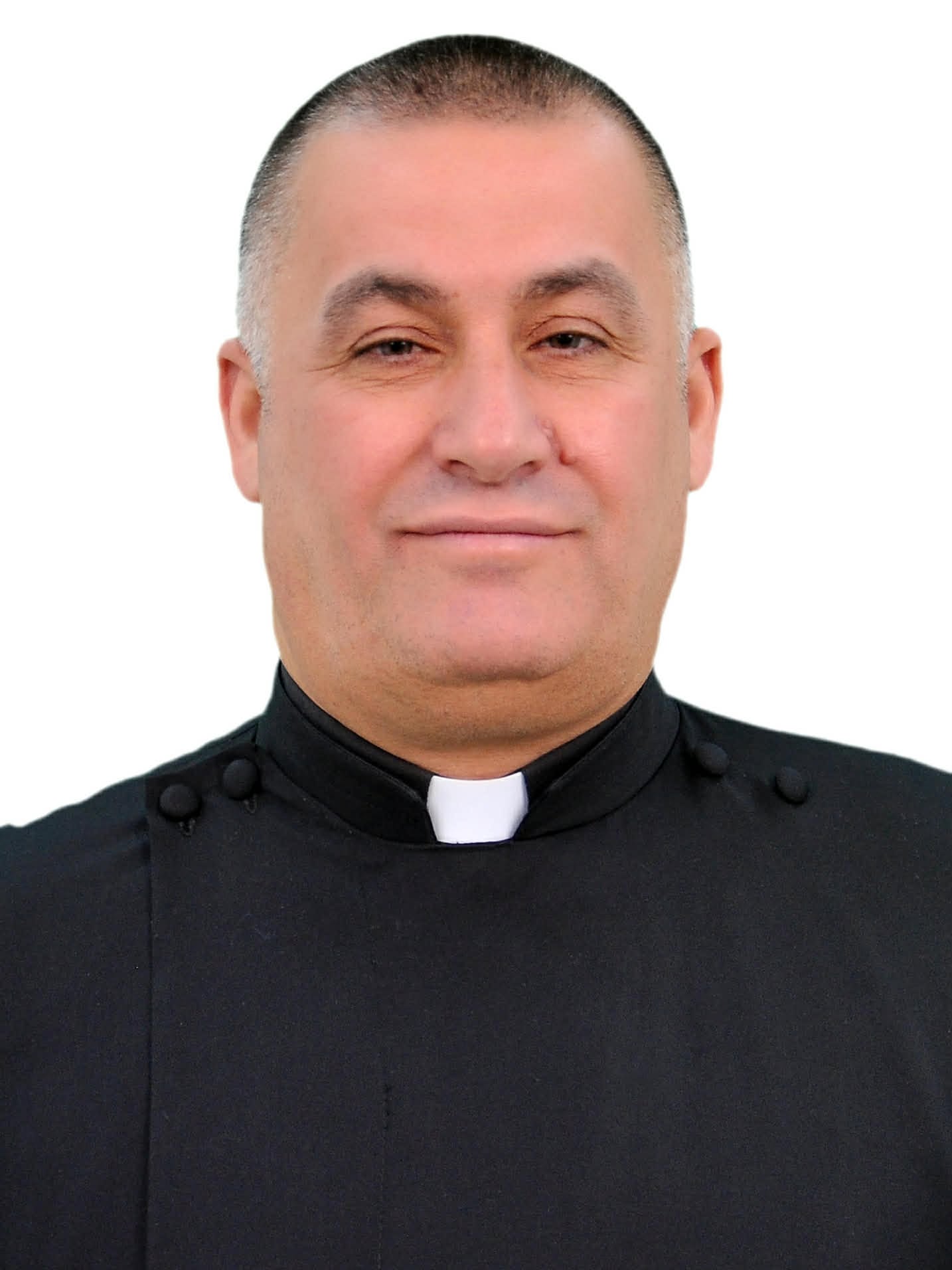
Fr. Ignatius Owfi
Thursday, 6 August 2026